3 April 2024
09:00 – 09:45
Amphi 4
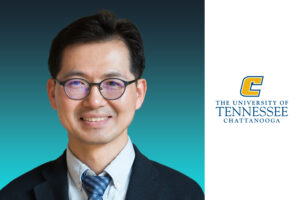
Seong Dae Kim
Seong Dae Kim is an Associate Professor in Engineering Management at the Department of Engineering Management & Technology, the University of Tennessee at Chattanooga (UTC). He earned Ph.D. in Industrial Engineering at Texas A&M University. He is the faculty lead of UTC team for the U.S. Department of Energy Solar Decathlon Design Challenge. He is a member of the International Association for Green Energy (IAGE) Board of Directors and serves as the chair of IAGE Conference Committee. He teaches Project Management, Decision Making and Optimization Techniques, research methods, Product Development for Innovation, and Quality Management Systems. His areas of interest include characterizing and identifying hidden risks, decision & risk analysis for renewable energy technologies, data analytics application to transportation, sports analytics, technology forecast using TRIZ method, creative problem solving methods, Lean Six Sigma process improvement, innovation methodologies, project risk management, and computer simulation of systems, digital twin modeling, and net zero energy building design.
How Practical is Net Zero Energy Building?
The vision of buildings that generate as much energy as they consume presents a goal in our journey toward a low-carbon future. Drawing insights from the U.S. Department of Energy Solar Decathlon Design Challenge projects, the discussion revolves around the challenges encountered in Net Zero Energy Building (NZEB) initiatives and evaluates the practicality of diverse NZEB solutions. Principles of Net Zero Energy Buildings including passive design, renewable energy technologies, and innovative building materials are discussed. Utilizing case studies, the talk exemplifies NZEB implementations across various climates and contexts, demonstrating their feasibility. Addressing technical, economic, and practical challenges faced by stakeholders in achieving energy neutrality, the talk offers an overview of the intricacies associated with NZEB, revealing that some seemingly innovative solutions are not as practical, especially in residential settings. This talk aims to foster interdisciplinary and global dialogue, navigating the complexities of attaining net zero energy in buildings, and shedding light on the successes and challenges inherent in this pursuit.